April 7, 2025
How Fashion Brands Can Navigate the 2025 U.S.–China Tariffs
How Fashion Brands Can Navigate the 2025 U.S.–China Tariffs
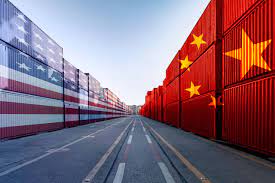
In 2025, U.S. fashion brands are grappling with significant challenges due to new tariffs on imports from China. These tariffs, part of the "Liberation Day" measures, have raised import duties to as high as 54% on Chinese goods, including apparel and textiles. Additionally, the revocation of the de minimis exemption means that small shipments under $800 are no longer duty-free, impacting e-commerce operations. news.com.au+7en.wikipedia.org+7voguebusiness.com+7en.wikipedia.org+8china-briefing.com+8wsj.com+8
Key Mistakes to Avoid:
Ignoring Supply Chain Diversification: Relying solely on Chinese manufacturing can be risky. Brands should explore nearshoring or reshoring options to mitigate tariff impacts.
Underestimating Cost Implications: Failing to account for increased import costs can erode profit margins. It's crucial to reassess pricing strategies and cost structures.
Neglecting Compliance Requirements: With heightened scrutiny, ensuring compliance with new regulations is essential to avoid penalties and delays.

Strategic Recommendations:
Evaluate Alternative Manufacturing Hubs: Consider countries with favourable trade agreements or lower tariff rates.
Invest in Technology: Implement systems that provide real-time visibility into supply chains to respond swiftly to disruptions.
Engage with Trade Experts: Consult with professionals to navigate the complex tariff landscape and identify potential exemptions or benefits.
By proactively addressing these challenges, fashion brands can better position themselves to maintain competitiveness in a shifting global trade environment.
In 2025, U.S. fashion brands are grappling with significant challenges due to new tariffs on imports from China. These tariffs, part of the "Liberation Day" measures, have raised import duties to as high as 54% on Chinese goods, including apparel and textiles. Additionally, the revocation of the de minimis exemption means that small shipments under $800 are no longer duty-free, impacting e-commerce operations. news.com.au+7en.wikipedia.org+7voguebusiness.com+7en.wikipedia.org+8china-briefing.com+8wsj.com+8
Key Mistakes to Avoid:
Ignoring Supply Chain Diversification: Relying solely on Chinese manufacturing can be risky. Brands should explore nearshoring or reshoring options to mitigate tariff impacts.
Underestimating Cost Implications: Failing to account for increased import costs can erode profit margins. It's crucial to reassess pricing strategies and cost structures.
Neglecting Compliance Requirements: With heightened scrutiny, ensuring compliance with new regulations is essential to avoid penalties and delays.
Strategic Recommendations:
Evaluate Alternative Manufacturing Hubs: Consider countries with favourable trade agreements or lower tariff rates.
Invest in Technology: Implement systems that provide real-time visibility into supply chains to respond swiftly to disruptions.
Engage with Trade Experts: Consult with professionals to navigate the complex tariff landscape and identify potential exemptions or benefits.
By proactively addressing these challenges, fashion brands can better position themselves to maintain competitiveness in a shifting global trade environment.
Have additional questions?
Related posts
Explore more insights.

Frequently asked questions about 3PL
Frequently asked questions
about 3PL
What is a Fashion 3PL, and how can it help my brand?
A Fashion 3PL, also called Fashion third party logistics, is a specialist fulfilment partner that stores your inventory, picks/packs orders and ships them to your customers on your behalf. For fashion brands, a good partner will also handle size or colour variations, fragile packaging, high return rates and peak season volumes, so you can scale without building your own warehouse team.
What does 3PL ecommerce fulfilment include for clothing and fashion?
3PL ecommerce fulfilment typically includes goods in and stock checks, warehousing, pick/pack, shipping and returns processing, plus ongoing inventory reporting so you can reorder confidently. For Clothing third party logistics, it can also include extra services like polybagging, kitting, relabelling and branded packaging to protect presentation and reduce returns.
Do you support 3PL apparel fulfilment for fast-growing apparel brands?
Yes, 3PL apparel fulfilment is designed for brands that need speed, accuracy and flexibility as order volume increases. The right setup supports rapid SKU growth, multiple sales channels and reliable dispatch performance without you having to manage staffing, storage or carrier contracts on a day to day basis.
How do I choose between apparel fulfilment companies for my fashion brand?
When comparing apparel fulfilment companies, look for a. proven fashion handling (garments, accessories, returns), b. transparent pricing, c. clear SLAs for dispatch and accuracy and d. the ability to scale during launches and peak periods. If you’re evaluating fashion third party logistics, ask what cut-off times are, how they handle returns/refunds workflow and even how they prevent picking errors such as size or colour mix-ups.
What is a Fashion 3PL, and how can it help my brand?
A Fashion 3PL, also called Fashion third party logistics, is a specialist fulfilment partner that stores your inventory, picks/packs orders and ships them to your customers on your behalf. For fashion brands, a good partner will also handle size or colour variations, fragile packaging, high return rates and peak season volumes, so you can scale without building your own warehouse team.
What does 3PL ecommerce fulfilment include for clothing and fashion?
3PL ecommerce fulfilment typically includes goods in and stock checks, warehousing, pick/pack, shipping and returns processing, plus ongoing inventory reporting so you can reorder confidently. For Clothing third party logistics, it can also include extra services like polybagging, kitting, relabelling and branded packaging to protect presentation and reduce returns.
Do you support 3PL apparel fulfilment for fast-growing apparel brands?
Yes, 3PL apparel fulfilment is designed for brands that need speed, accuracy and flexibility as order volume increases. The right setup supports rapid SKU growth, multiple sales channels and reliable dispatch performance without you having to manage staffing, storage or carrier contracts on a day to day basis.
How do I choose between apparel fulfilment companies for my fashion brand?
When comparing apparel fulfilment companies, look for a. proven fashion handling (garments, accessories, returns), b. transparent pricing, c. clear SLAs for dispatch and accuracy and d. the ability to scale during launches and peak periods. If you’re evaluating fashion third party logistics, ask what cut-off times are, how they handle returns/refunds workflow and even how they prevent picking errors such as size or colour mix-ups.
Logistics statistics and facts
UK parcel volumes are increasing
Measured parcels across the UK increased by 8.3% to 3.9 billion items in 2023–24 (1).
Choose 33F and avoid delivery problems
Delivery problems are common, so fulfilment quality matters. 67% of people reported having a delivery issue in the past six months, with common issues including delivery delays (27%) and parcels left in inappropriate locations (23%) (2).
Returns are a major hidden cost
Returns are a major hidden cost in fashion fulfilment, that’s why specialist 3PL matters. Online returns for apparel are typically 30–50%, which brings fulfilment cost and complexity (3).
Retail uses the highest share of warehouse space
In Q3 2025, retail occupiers took the highest share of UK Big Box warehouse space at 42% (4).
UK parcel volumes are increasing
Measured parcels across the UK increased by 8.3% to 3.9 billion items in 2023–24 (1).
Choose 33F and avoid delivery problems
Delivery problems are common, so fulfilment quality matters. 67% of people reported having a delivery issue in the past six months, with common issues including delivery delays (27%) and parcels left in inappropriate locations (23%) (2).
Returns are a major hidden cost
Returns are a major hidden cost in fashion fulfilment, that’s why specialist 3PL matters. Online returns for apparel are typically 30–50%, which brings fulfilment cost and complexity (3).
Retail uses the highest share of warehouse space
In Q3 2025, retail occupiers took the highest share of UK Big Box warehouse space at 42% (4).

Partner with 33 F for 3PL ecommerce fulfilment
Looking for reliable, efficient and scalable fashion third party logistics solutions? Let us handle your operation with precision and care.

📦 Simple & Fair
⏳ Value That Stacks
🚛 Brand-led Operation
Partner with 33 F for 3PL ecommerce fulfilment
Looking for reliable, efficient and scalable fashion third party logistics solutions? Let us handle your operation with precision and care.
📦 Simple & Fair
⏳ Value That Stacks
🚛 Brand-led Operation
Partner with 33 F for 3PL ecommerce fulfilment
Looking for reliable, efficient and scalable fashion third party logistics solutions? Let us handle your operation with precision and care.
📦 Simple & Fair
⏳ Value That Stacks
🚛 Brand-led Operation
Logistics statistics and facts
Logistics statistics and facts
What is a Fashion 3PL, and how can it help my brand?
A Fashion 3PL, also called Fashion third party logistics, is a specialist fulfilment partner that stores your inventory, picks/packs orders and ships them to your customers on your behalf. For fashion brands, a good partner will also handle size or colour variations, fragile packaging, high return rates and peak season volumes, so you can scale without building your own warehouse team.
What does 3PL ecommerce fulfilment include for clothing and fashion?
3PL ecommerce fulfilment typically includes goods in and stock checks, warehousing, pick/pack, shipping and returns processing, plus ongoing inventory reporting so you can reorder confidently. For Clothing third party logistics, it can also include extra services like polybagging, kitting, relabelling and branded packaging to protect presentation and reduce returns.
Do you support 3PL apparel fulfilment for fast-growing apparel brands?
Yes, 3PL apparel fulfilment is designed for brands that need speed, accuracy and flexibility as order volume increases. The right setup supports rapid SKU growth, multiple sales channels and reliable dispatch performance without you having to manage staffing, storage or carrier contracts on a day to day basis.
How do I choose between apparel fulfilment companies for my fashion brand?
When comparing apparel fulfilment companies, look for a. proven fashion handling (garments, accessories, returns), b. transparent pricing, c. clear SLAs for dispatch and accuracy and d. the ability to scale during launches and peak periods. If you’re evaluating fashion third party logistics, ask what cut-off times are, how they handle returns/refunds workflow and even how they prevent picking errors such as size or colour mix-ups.
UK parcel volumes are increasing
Measured parcels across the UK increased by 8.3% to 3.9 billion items in 2023–24. https://www.ofcom.org.uk/siteassets/resources/documents/postal-services/monitoring-reports/2023-2024/post-monitoring-report-2023-24.pdf?v=384016
Choose 33F and avoid delivery problems
Delivery problems are common, so fulfilment quality matters. 67% of people reported having a delivery issue in the past six months, with common issues including delivery delays (27%) and parcels left in inappropriate locations (23%). https://www.ofcom.org.uk/post/deliveries-and-charges/best-and-worst-parcel-firms-for-customer-service-satisfaction-revealed-2024
Returns are a major hidden cost
Returns are a major hidden cost in fashion fulfilment, that’s why specialist 3PL matters. Online returns for apparel are typically 30–50%, which brings fulfilment cost and complexity. https://www.jll.com/en-uk/guides/is-ecommerce-now-net-positive-for-physical-retail
Retail uses the highest share of warehouse space
In Q3 2025, retail occupiers took the highest share of UK Big Box warehouse space at 42%. https://www.avisonyoung.co.uk/news-item/-/article/2025/10/31/third-consecutive-quarter-of-take-up-growth-for-big-box-market-but-supply-challenges-linger