June 2, 2025

At an estimated $1.84 trillion, it’s a massive industry. But for brands, the real question isn’t how big fashion is. It’s where it’s heading, and how to stay ahead. Here’s what we’re seeing in 2025 — and what it means for your logistics and growth strategy.
E-Commerce and Digital Dominate
Fashion e-commerce continues to surge, with online sales projected to surpass $900 billion this year. Direct-to-consumer remains king, but marketplaces, social commerce, and hybrid retail models are picking up serious momentum.
What it means: Brands need fulfilment infrastructure that adapts across multiple sales channels — not just Shopify.

Sustainability Is Non-Negotiable
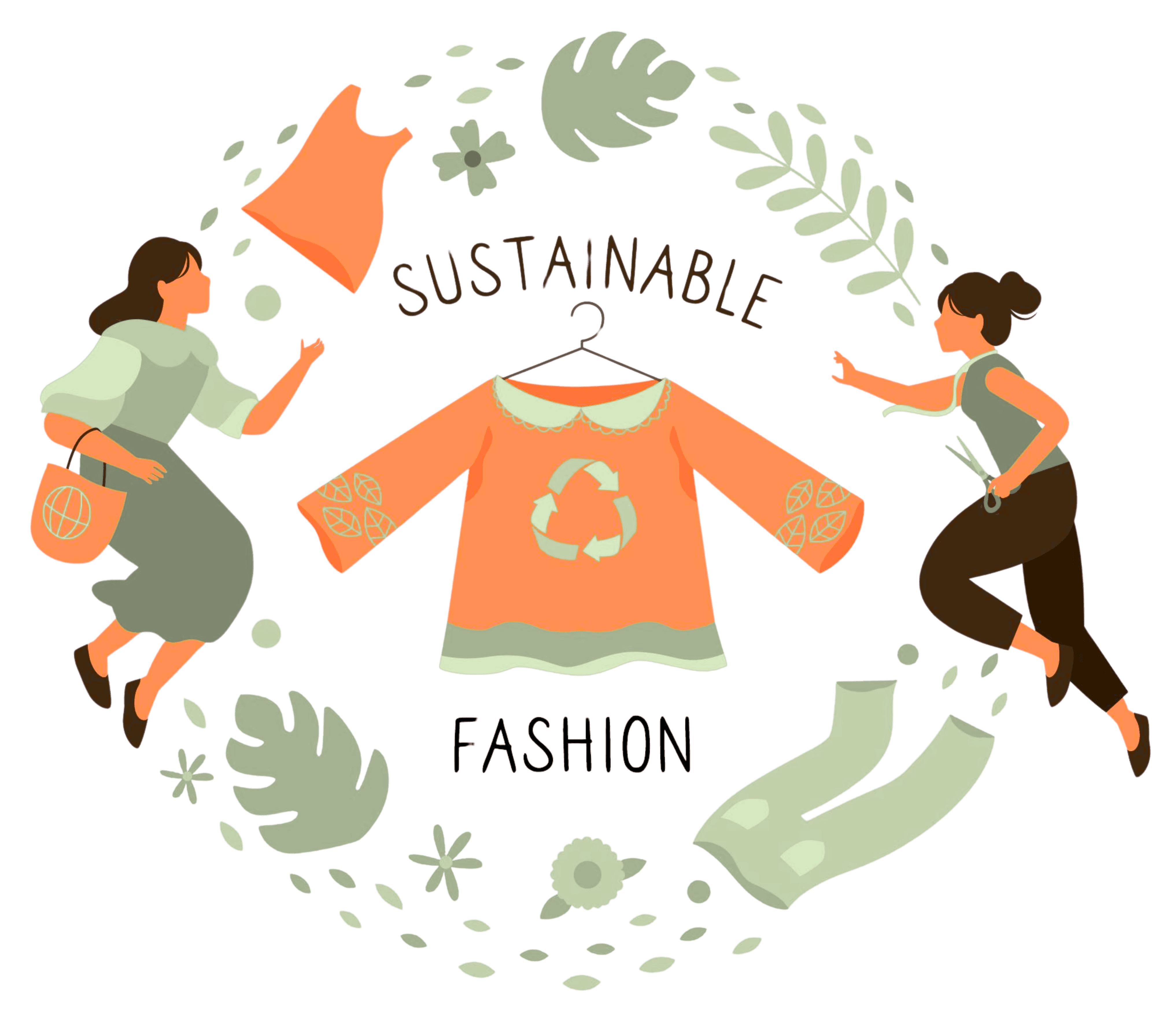
The industry still accounts for 8–10% of global carbon emissions. Consumers are responding with their wallets. Circular models — resale, rental, upcycling — are moving from niche to norm.
What it means: Returns, reconditioning, and low-impact fulfilment are no longer “nice-to-haves.” They’re baseline expectations.
Tech Is Driving Margins
AI is transforming forecasting, demand planning, and inventory control. Smart brands are using data not just to sell better — but to operate leaner.
What it means: Logistics should plug into your tech stack and give you real-time clarity — not static spreadsheets.

Growth Is Global — But So Are the Risks
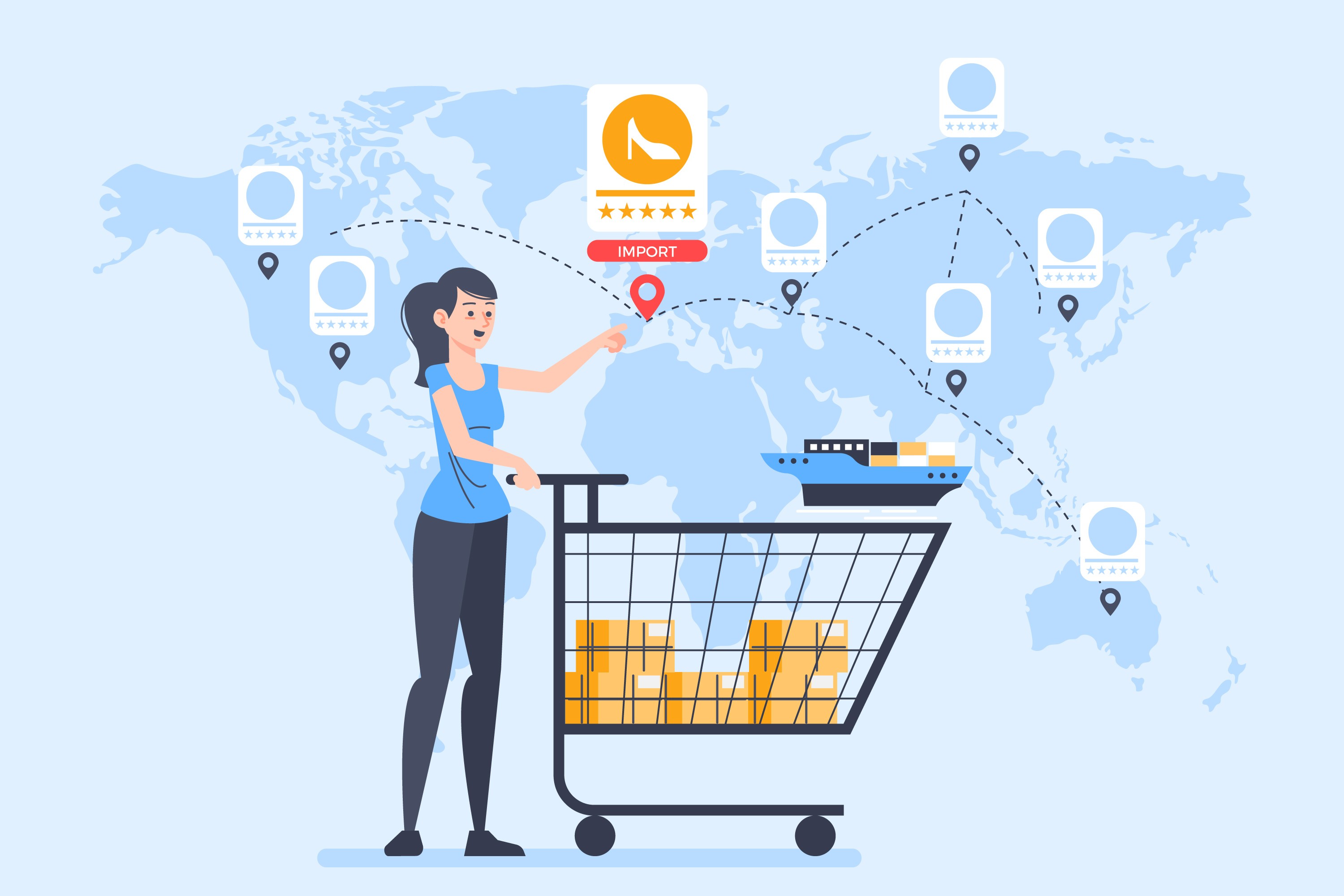
Emerging markets (Asia, Africa, LATAM) are driving demand. But global supply chains remain volatile — impacted by geopolitical tensions, cost increases, and consumer shifts.
What it means: Agility is critical. Brands need partners that can flex fast — across borders, peak periods, and product launches.
The Opportunity?
Growth is there — for brands that move with the market. That means sustainable operations, tech-enabled fulfilment, and logistics partners who understand the nuance of fashion.
At 33 Fulfilment, we work with fast-moving brands who need a logistics engine that keeps pace with ambition.
Have additional questions?
Related posts